Las Vegas to the park is 55 miles north-east, off Interstate 15 at exit 75, and day use runs from sunrise to sunset. This page sets out the organised trips that reach it and the dates, entrances and trails that decide which one works.
Where a Valley of Fire tour goes and how the park works
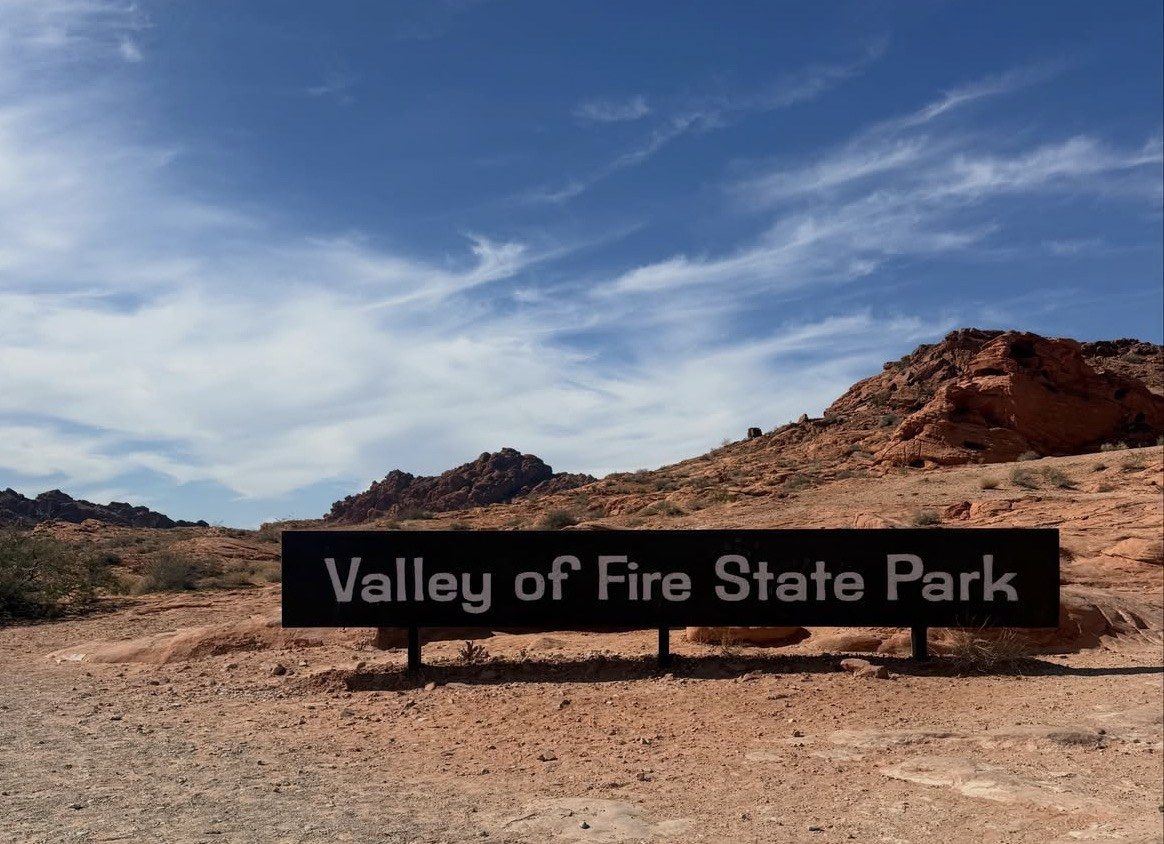
Valley of Fire State Park lies in the Mojave Desert near Overton, in Clark County, Nevada. Distances inside are short, and parking is the part that catches people out.
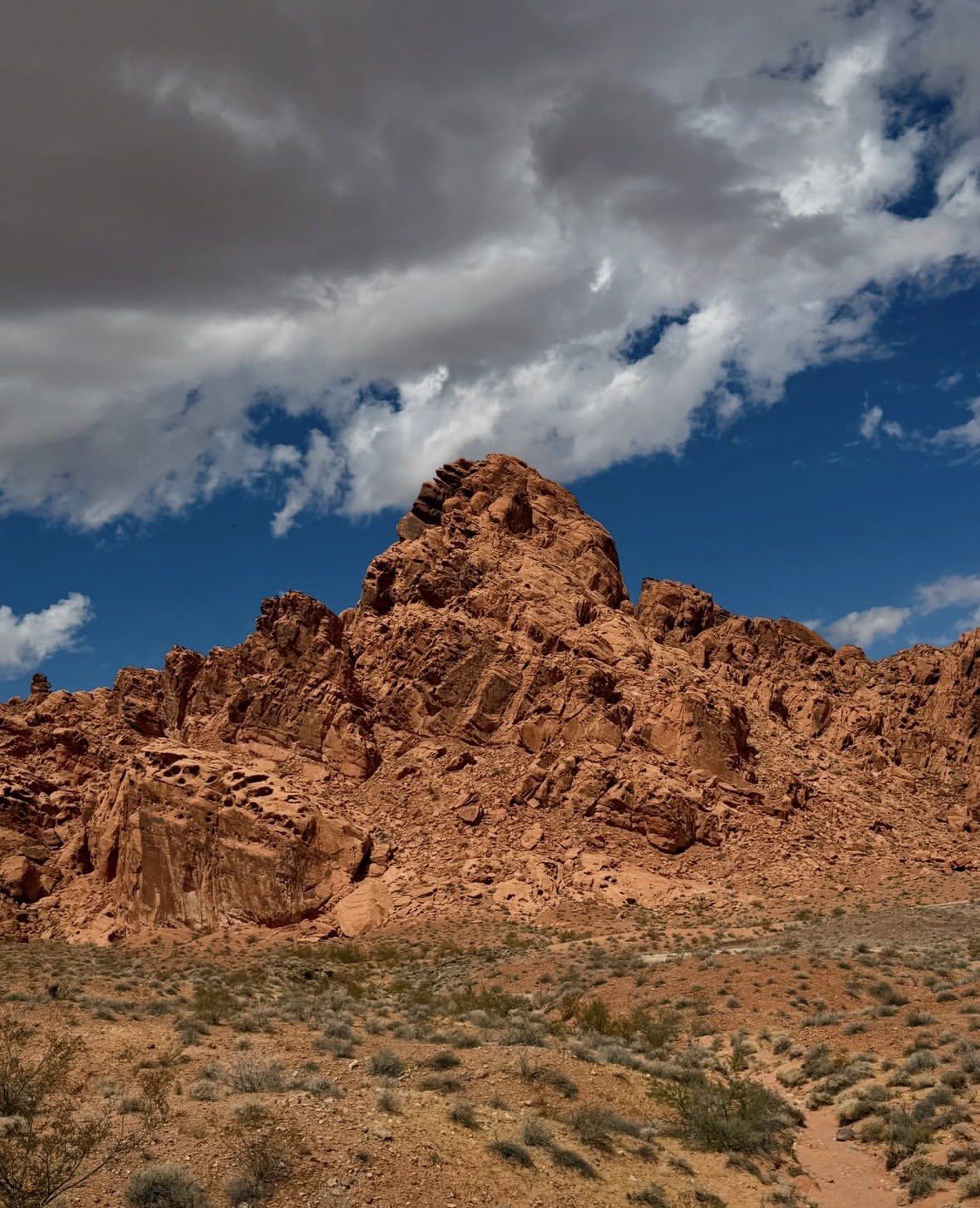
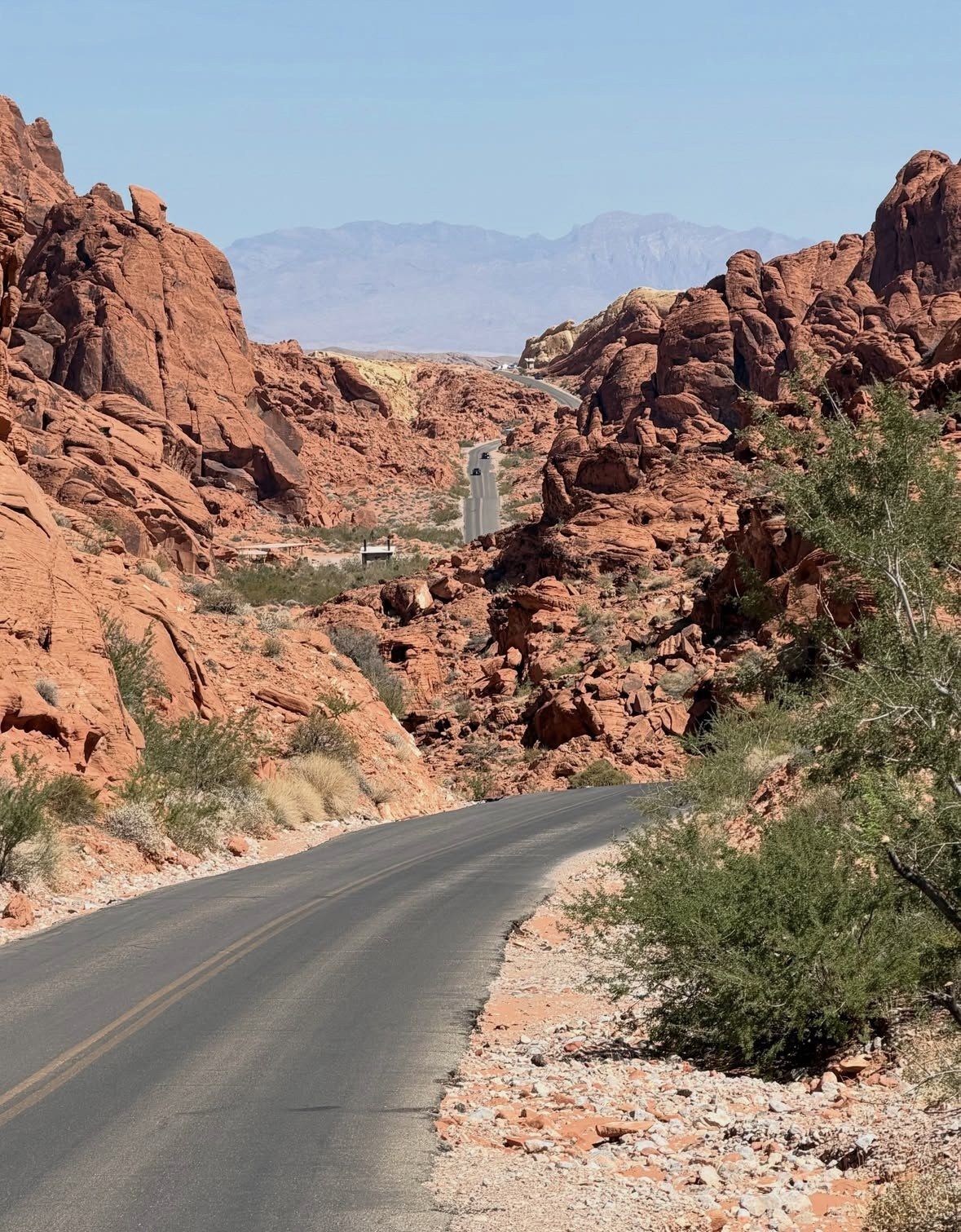
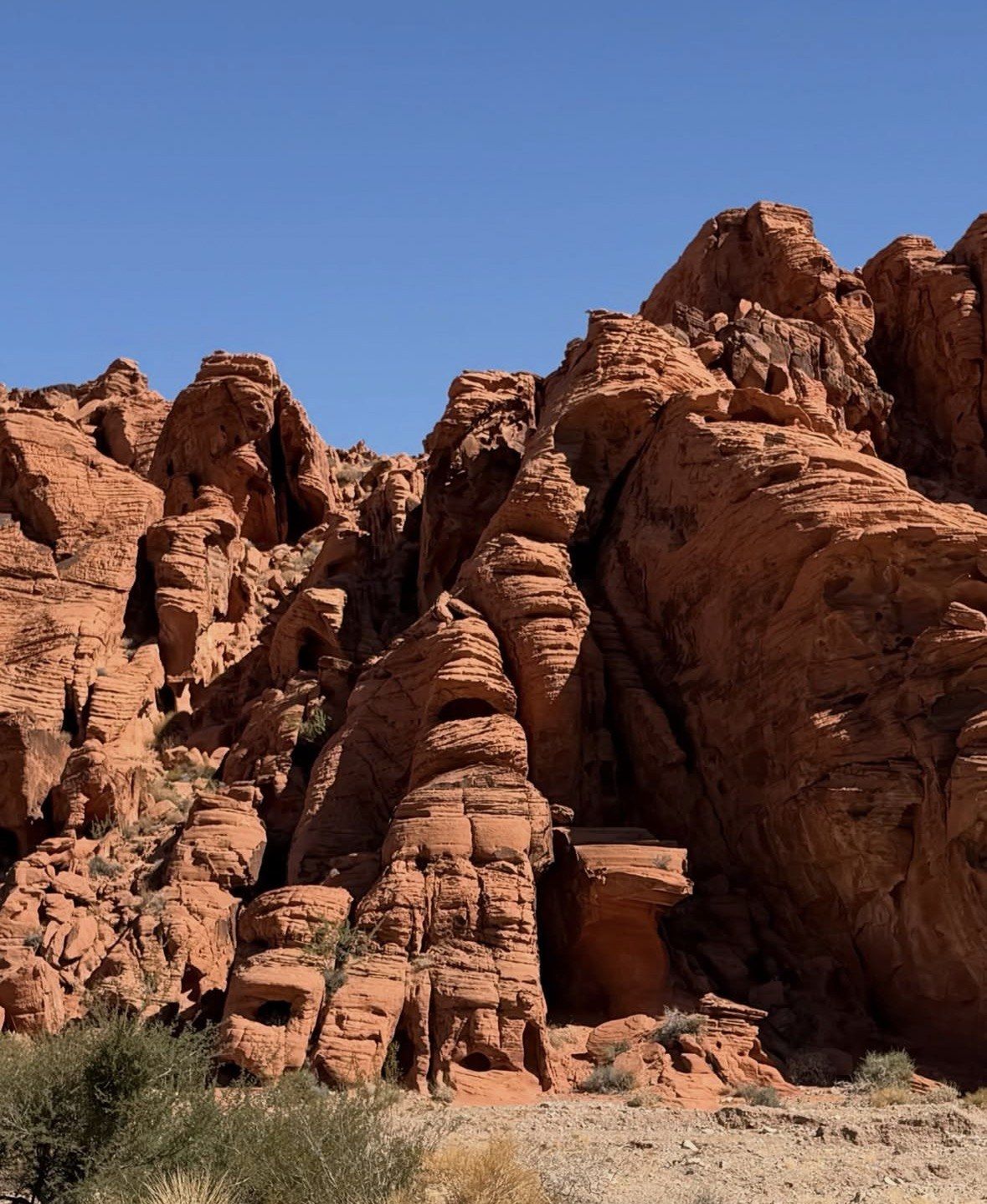
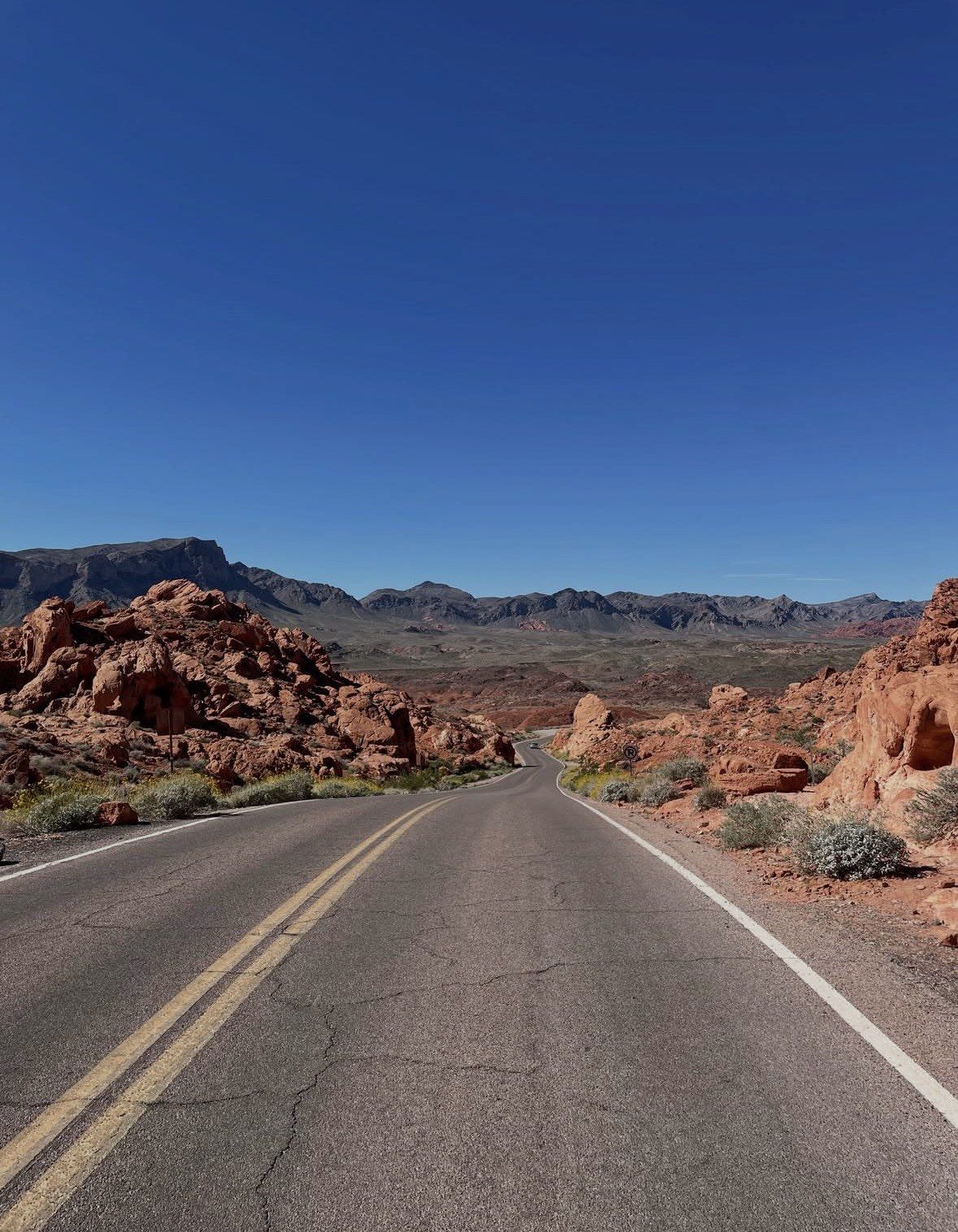
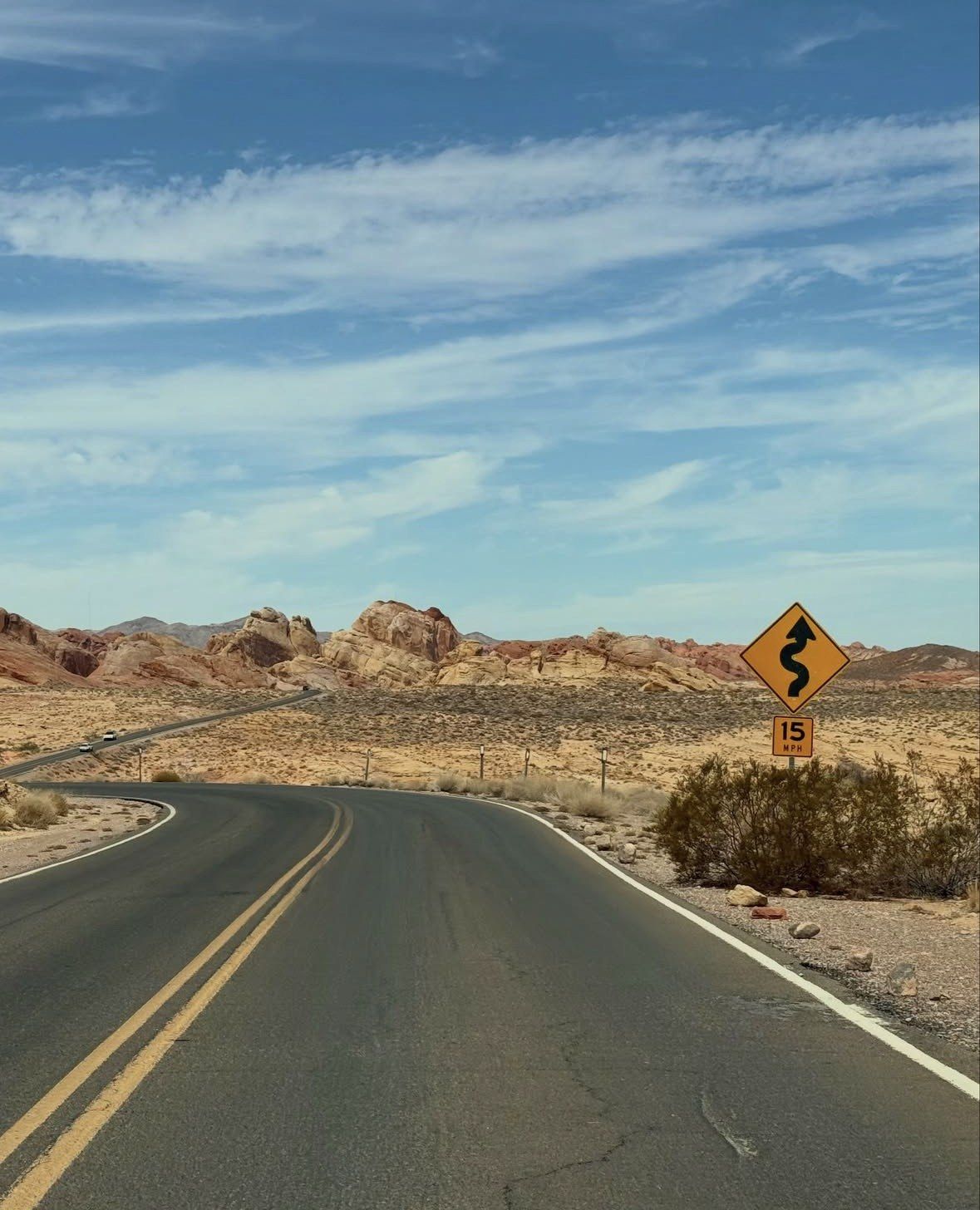
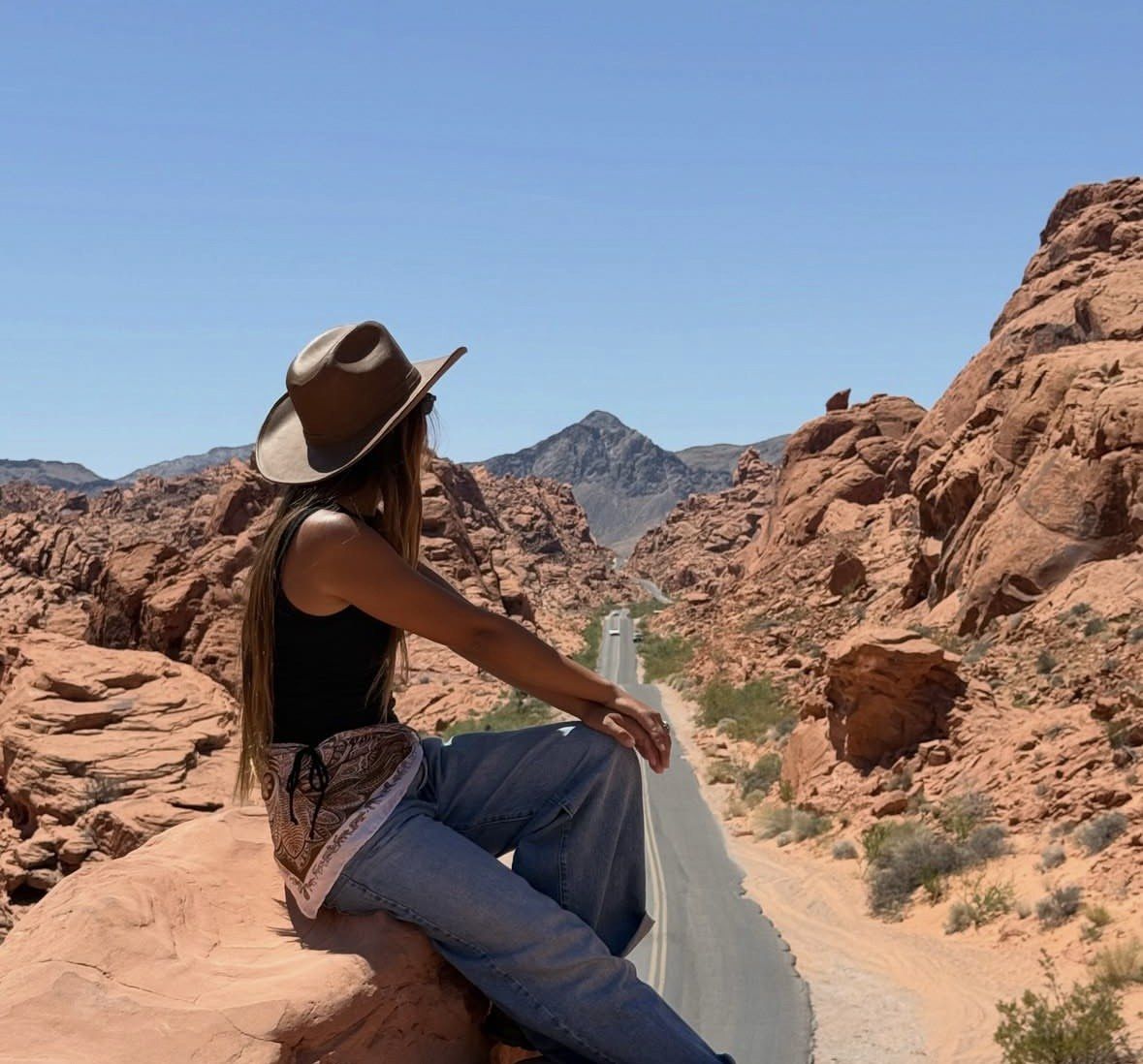
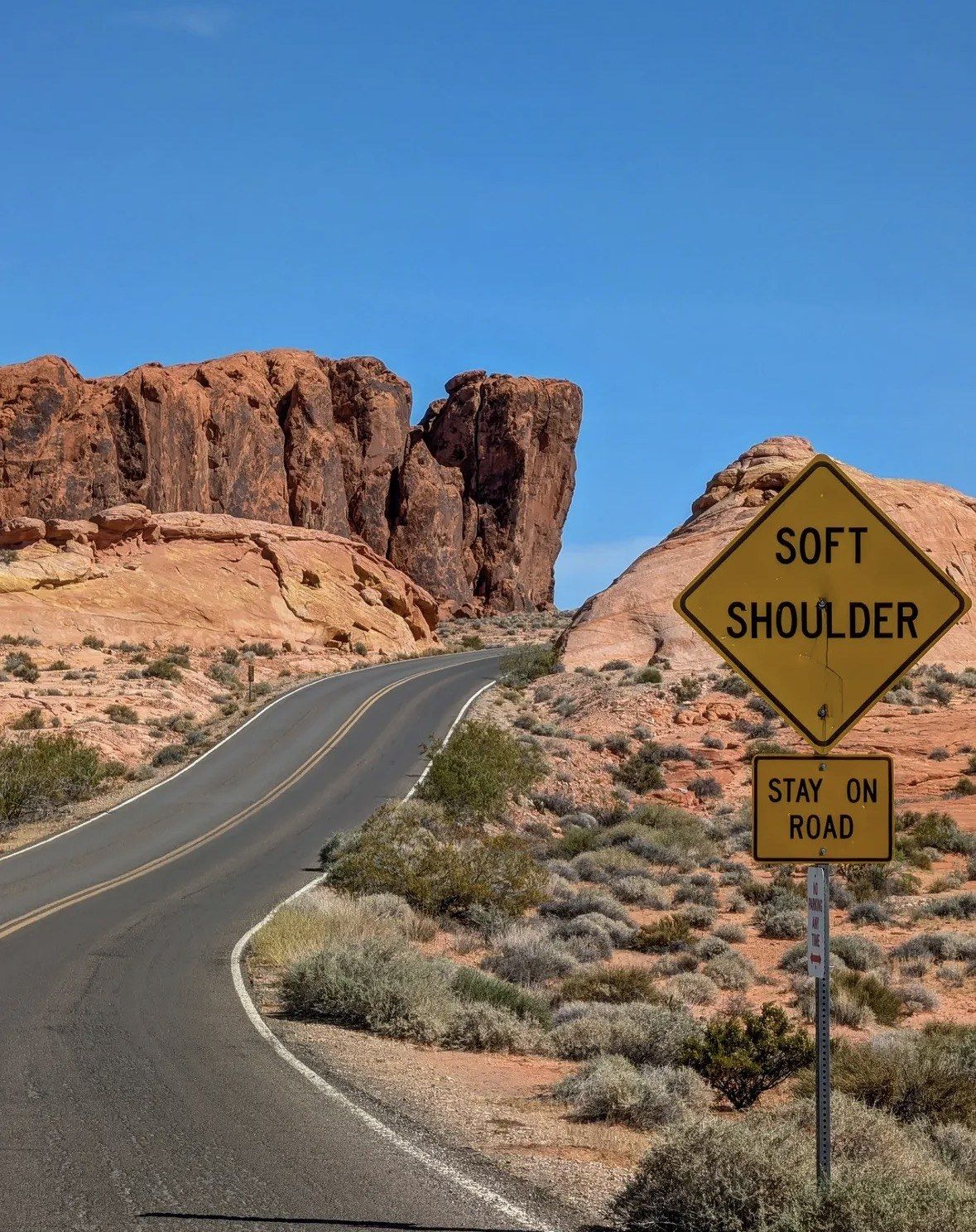
Measured from Las Vegas, the park is 55 miles north-east, off Interstate 15 at exit 75, near Overton in Clark County. It covers more than 40,000 acres of Jurassic Aztec sandstone, wind-blown sand left behind after inland seas subsided in the Mojave Desert. Driving inside is short: Valley of Fire Road runs 7.0 miles between the West and East fee booths at 35 mph, and White Domes Road branches north for 5.5 miles at 25 mph, roughly 20 minutes from the Visitor Center to the pavement's end.
This was Nevada's first state park, opened on Easter Sunday 1934 and given its legal designation by the legislature in 1935, the year the official park page records as its establishment. The Civilian Conservation Corps built the first facilities, the campgrounds and the stone cabins from 1933; the cabins sheltered travellers on the Arrowhead Trail and now serve as a picnic area. The land began as roughly 8,500 acres transferred to Nevada in the 1920s. Petroglyphs here were carved by the Basketmaker culture about 2,500 years ago, with Early Pueblo peoples following later.
Start at the Visitor Center, which the park asks every visitor to use early: staff advise on conditions and climbing areas, and the exhibits cover geology, ecology, prehistory and history. The building is new, an over $30 million project with its grand opening on 22 November 2025, a 200-seat outdoor amphitheatre and a 10-minute orientation film, Valley of Fire: A Journey Through Time and Stone, narrated by William Shatner. It opens daily 9 a.m. to 4 p.m. In a University of Nevada, Reno Extension survey of 634 visitors, 97.5 per cent rated the trip good or excellent.
From Las Vegas55 miles, about 1 hour
Park sizeOver 40,000 acres
Established1935
Day use hoursSunrise to sunset
Visitor CenterDaily 9 a.m. – 4 p.m.
Park road7.0 miles at 35 mph
2,500 years
Petroglyphs at Atlatl Rock
Carvings here were made by the Basketmaker culture about 2,500 years ago, with Early Pueblo peoples following later. Atlatl Rock takes its name from a depiction of the atlatl, a spear-throwing tool. A viewing platform reaches the panel, and touching or climbing the surfaces is not allowed.
1.5 miles
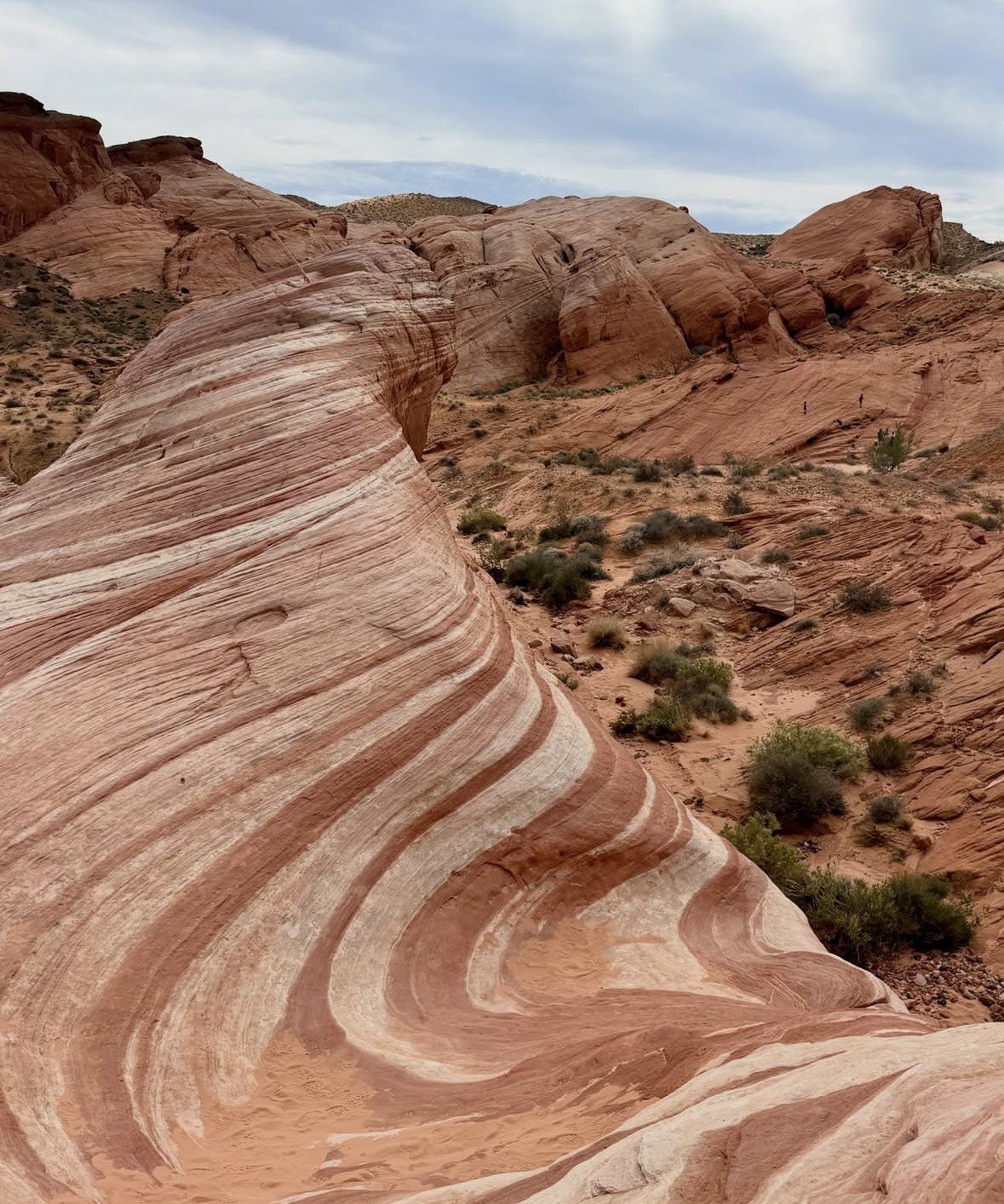
Fire Wave is not visible from the road
Fire Wave is a 1.5-mile walk out and back from parking lot P3, five miles north of the Visitor Center on White Domes Road, also signed Mouse's Tank Road. Park staff put the round trip at about an hour and warn the loose sand and rough ground make it feel like a three-mile hike. The full Seven Wonders loop linking it with Pink Canyon is 1.8 miles.
1–14 Dec
The park closes completely in December
Every year the park shuts to all visitation from 1 to 14 December for maintenance. Entry is barred for those two weeks, including on foot, camping reservations are unavailable, and all commercial activity, guided trips, weddings and photo shoots included, is prohibited. In 2026 the window runs Tuesday 1 December to Monday 14 December, with normal operations resuming Tuesday 15 December.
15 May – 30 Sep
Hot-season trail closures
As a heat-safety rule set by the park authority, White Domes Loop, Fire Wave, the Seven Wonders Loop, Pastel (Pink) Canyon, Pinnacles Loop, Prospect Trail, Arrowhead Trail, Natural Arch Trail (Arch Rock excepted) and Charlie's Spring close from 15 May to 30 September. Every trail longer than one mile is closed May through September. Mouse's Tank, at 0.75 mile, is not on the list.
Mon–Thu
West Entrance construction in 2026
Since 3 August 2026 the West Entrance, the one reached from Interstate 15, has been closed Monday to Thursday for construction of a new entrance lane and a second fee booth, a situation expected to continue through the end of 2026. It stays open Friday to Sunday in normal hours. Monday-to-Thursday visitors use the East Entrance, reached via State Route 169 or State Route 167.
810,340
Visitor numbers and satisfaction data
A University of Nevada, Reno Extension study recorded 810,340 visitors in 2023, after 843,182 in 2019 and 618,950 in 2022, and Nevada State Parks now describes the park as receiving nearly one million visitors a year. Of 634 visitors surveyed, 81.9 per cent said they were somewhat or extremely likely to return. That volume is why trailhead lots fill early.
Drive Valley of Fire Road end to end
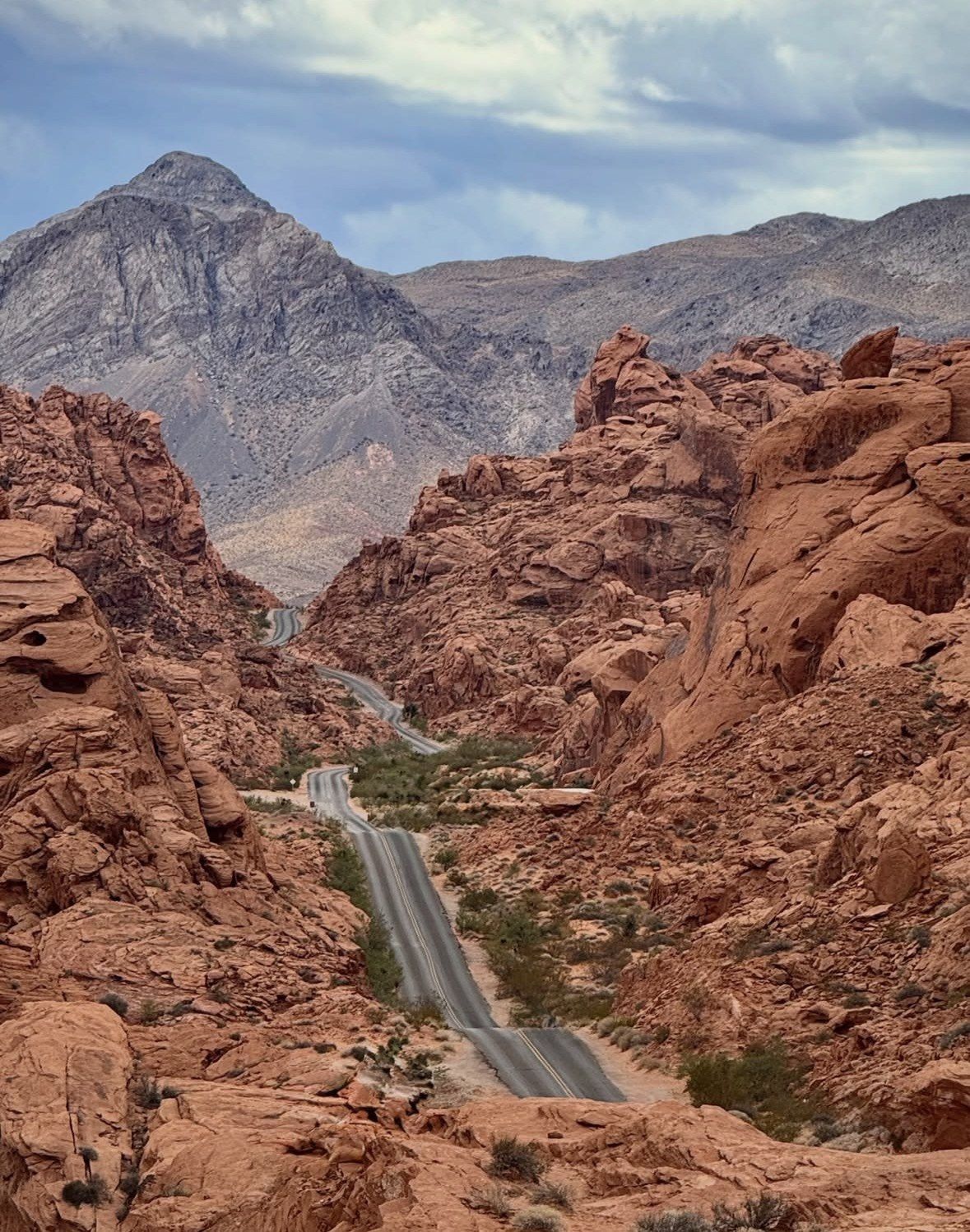
Valley of Fire Road runs 7.0 miles between the two fee booths, posted at 35 mph, and passes the Beehives, Atlatl Rock, Arch Rock, the historic cabins, Seven Sisters, the Petrified Logs and Elephant Rock. Shaded picnic areas with restrooms stand at Atlatl Rock, Seven Sisters, the Cabins and White Domes. Parking is in designated areas only, with no roadside stopping anywhere in the park.
Walk to Fire Wave from lot P3
Lot P3 sits five miles north of the Visitor Center on White Domes Road and serves both Fire Wave and Pink Canyon, which can only be reached from there. The walk is 1.5 miles out and back over loose sand, about an hour for most people. It is closed each year from 15 May to 30 September.
Mouse's Tank and Petroglyph Canyon
A 0.75-mile round trip follows Petroglyph Canyon past prehistoric carvings to a natural rock basin named after an outlaw who hid there in the 1890s; water can sit in it for months after rain. At under a mile it falls below the park's hot-season closure threshold. A shaded picnic area with restrooms stands near the trailhead.
White Domes Loop at the road's end
White Domes is 5.5 miles and about 20 minutes' drive from the Visitor Center, with a picnic area and restrooms. The 1.1-mile loop takes in a slot canyon and the remains of a 1960s movie set, which park documents confirm without naming the film. The loop closes from 15 May to 30 September.
Rainbow Vista and the Silica Dome overlook
Rainbow Vista is a one-mile round trip to a canyon viewpoint over multi-coloured sandstone. The Fire Canyon and Silica Dome overlook is reached by its own signed spur, Fire Canyon Road, off the White Domes corridor; the park brochure identifies it as the Star Trek Generations location, and the Nevada Film Office also lists the park for Total Recall.
Short walks near the Visitor Center
Balancing Rock is a 0.4-mile round trip from near the Visitor Center and the Petrified Logs loop runs 0.25 mile. Elephant Rock is a 0.2-mile out-and-back at the east end, with a longer 1.25-mile loop option. Climbing on the arches, Elephant Rock included, is not permitted.
Valley of Fire tour or another Nevada desert trip?
How the park lines up against the other red-rock and water destinations within reach of Las Vegas.
Most people choosing a Valley of Fire tour are also looking at Red Rock Canyon, Lake Mead and Hoover Dam, and the four behave very differently once you check hours, access rules and how much walking is involved. The table below uses the published figures for each: distance from Las Vegas, how entry is handled, the hours that limit your day, and the thing each place actually does best.
Crowds
Price
Best For
What Sets It Apart
★ Valley of Fire
Nearly one million visitors a year; trailhead lots fill early and roadside parking is banned
Tours on this site from $99, with park admission listed among the inclusions on the half day
Red Aztec sandstone, 2,500-year-old petroglyphs and short desert walks
Over 40,000 acres 55 miles from Las Vegas, with no dated entry ticket to pre-book: entry is handled per vehicle at a fee booth
Red Rock Canyon
Timed-entry reservation required for the scenic drive between 8 a.m. and 5 p.m., 1 October to 31 May
Charged per passenger vehicle, with a $5 per-person surcharge on commercial buses, motorcoaches and vans
A short outing 17 miles west of the Strip, roughly 30 minutes' drive
A 13-mile one-way scenic loop and a visitor center open daily 8 a.m. to 4.30 p.m.
Lake Mead National Recreation Area
Nine entrance stations and no public transit service
$25 per private vehicle for 1–7 days, $20 per motorcycle, $45 for the park annual pass
Lakeside driving, with Northshore Road running almost fifty miles
Sits six miles from Valley of Fire and carries the scenic return to Las Vegas, about an hour and thirty minutes
Hoover Dam
Visitor center and tours daily 9 a.m. to 5 p.m., doors closing 4.15 p.m. and the last tour at 4.10 p.m.
Guided Dam Tour $40 per person, Power Plant Tour $25 for adults and $15 ages 4–16
Engineering, indoor guided touring and a structured timetable
74 miles from Valley of Fire by the official park map, with garage parking on the Nevada side at $10
Red Rock Canyon is closer and Hoover Dam is more structured, but neither gives you the scale of sandstone a Valley of Fire tour covers: 7.0 miles of park road, a 5.5-mile scenic branch, petroglyph panels about 2,500 years old and short trails like Fire Wave that cannot be seen from a vehicle. Day use needs no reservation, and the Visitor Center that opened on 22 November 2025 explains the geology before you drive it.
Practical info
Valley of Fire tour: everything you need to know
Access, seasons, packing and the rules the park enforces, with the dates that decide your plan.
Getting to the park from Las Vegas
Expect about an hour of driving, 55 miles north-east of Las Vegas and off Interstate 15 at exit 75. Access changed in 2026: since 3 August the West Entrance has been closed Monday to Thursday for construction of a new entrance lane and second fee booth, open Friday to Sunday, with the work expected to run through the end of 2026. Monday-to-Thursday arrivals use the East Entrance via State Route 169 or State Route 167, which adds driving time.
There is no public bus or shuttle, and Nevada State Parks warns against arriving by Uber or Lyft because return rides are usually unavailable and visitors end up stranded. The guided trips on this site handle pick-up and drop-off instead. Inside, Valley of Fire Road covers 7.0 miles at 35 mph and White Domes Road 5.5 miles at 25 mph, roughly 20 minutes from the Visitor Center to the end. Use designated lots only; lot P3 serves Fire Wave and Pink Canyon.
55 miles north-east of Las Vegas, about an hour's drive, off Interstate 15 at exit 75
West Entrance closed Monday to Thursday for construction through the end of 2026; open Friday to Sunday in normal hours
Monday to Thursday, enter from the East Entrance via State Route 169 or State Route 167
Nevada State Parks warns that ride-share passengers can be left stranded, as return rides are usually unavailable
No public transit serves the park; the tours on this site include pick-up and drop-off from Las Vegas
The scenic return on Lake Mead's Northshore Road takes about an hour and thirty minutes and crosses Lake Mead National Recreation Area, where a federal recreational use pass applies
Nearest fuel from the Visitor Center is 15 miles in one direction and 18 in another, with a third option 52 miles away
Best months to visit, and what is open
Spring and autumn are the seasons the park authority names as preferred, which is why a Valley of Fire tour is easiest between October and April. Summer highs commonly exceed 100 F and can approach 120 F, and hiking is not recommended above 85 F (29 C). Winter is mild, running from freezing up to about 75 F (24 C). Day use is sunrise to sunset year-round, apart from the annual maintenance closure, and trails are closed from sunset to sunrise outside park-approved events.
Two dated rules shape any plan. From 15 May to 30 September the park closes its best-known trails as a heat-safety measure, including Fire Wave, the Seven Wonders Loop, Pastel (Pink) Canyon and the White Domes Loop, and every trail longer than one mile shuts May through September. The whole park then closes from 1 to 14 December; in 2026 that runs Tuesday 1 December to Monday 14 December, with normal operations resuming Tuesday 15 December 2026.
Spring and autumn are named by the park authority as the preferred seasons
Winter temperatures run from freezing up to about 75 F (24 C)
Summer highs commonly exceed 100 F and can approach 120 F
Hiking is not recommended above 85 F (29 C)
Closed as a heat-safety rule 15 May to 30 September: White Domes Loop, Fire Wave, Seven Wonders Loop, Pastel (Pink) Canyon, Pinnacles Loop, Prospect, Arrowhead, Natural Arch (Arch Rock excepted) and Charlie's Spring
Every park trail longer than one mile is closed May through September; Mouse's Tank at 0.75 mile is not on the closure list
Closed to all visitation 1 to 14 December 2026, reopening Tuesday 15 December 2026
What to bring for a day in the desert
Water first. The park describes hydration and electrolyte replacement as critical and asks visitors to conserve water because supply inside is limited, so carry more than you think you need and take electrolytes for anything longer than a roadside stop. Sun protection matters even in winter, when temperatures reach about 75 F (24 C) with no shade on the sandstone. Shoes with grip help: official notes say the trails cross loose sand or rough terrain and often feel longer than their listed distance.
Layer for the mornings, since the park opens at sunrise and winter can start near freezing. Download maps and your route before leaving Las Vegas, because possible cell service is limited to the entrances, Fire Canyon Overlook, lot P3, the White Domes lot and the Atlatl Rock platform. Bring a camera rather than a drone: drones and other remote-controlled aircraft are banned. Dogs are welcome on a leash no longer than six feet, but only service animals enter the Visitor Center.
More water than you expect to drink, plus electrolytes; water supply inside the park is limited
Sun hat, sunglasses and sunscreen, as the formations offer almost no shade
Shoes that handle loose sand and uneven rock on trails such as Fire Wave
Layers for sunrise starts, with winter temperatures beginning near freezing
Offline maps and a charged phone: cell service is possible only at a handful of spots
A camera; drones and other remote-controlled aircraft are banned in the park
A six-foot leash if you bring a dog, which cannot enter the Visitor Center
Snacks and anything you need beyond the lunch and water your trip includes
Local tips that change your visit
Make the Visitor Center an early stop, as the park asks: staff advise on conditions and climbing areas, and the exhibits cover geology, ecology, prehistory and history. It opens daily 9 a.m. to 4 p.m., with hours that may differ on holidays, and the gift shop keeps the same window. The 10-minute orientation film, narrated by William Shatner, runs inside the building that opened on 22 November 2025 alongside a 200-seat outdoor amphitheatre.
Leave the rock alone. Climbing on arches and petroglyph surfaces, Arch Rock and Elephant Rock included, is prohibited, general rock climbing is restricted to specific areas after asking at the Visitor Center, and the desert tortoise is protected by Nevada law, so it must never be touched or moved. For context on the people who left the petroglyphs, the Lost City Museum in Overton displays an Ancestral Puebloan pueblo cluster built over an excavated site, with pottery, basketry and a reconstructed pit house.
Stop at the Visitor Center early; it opens daily 9 a.m. to 4 p.m., hours may differ on holidays
Watch the 10-minute film, Valley of Fire: A Journey Through Time and Stone, narrated by William Shatner
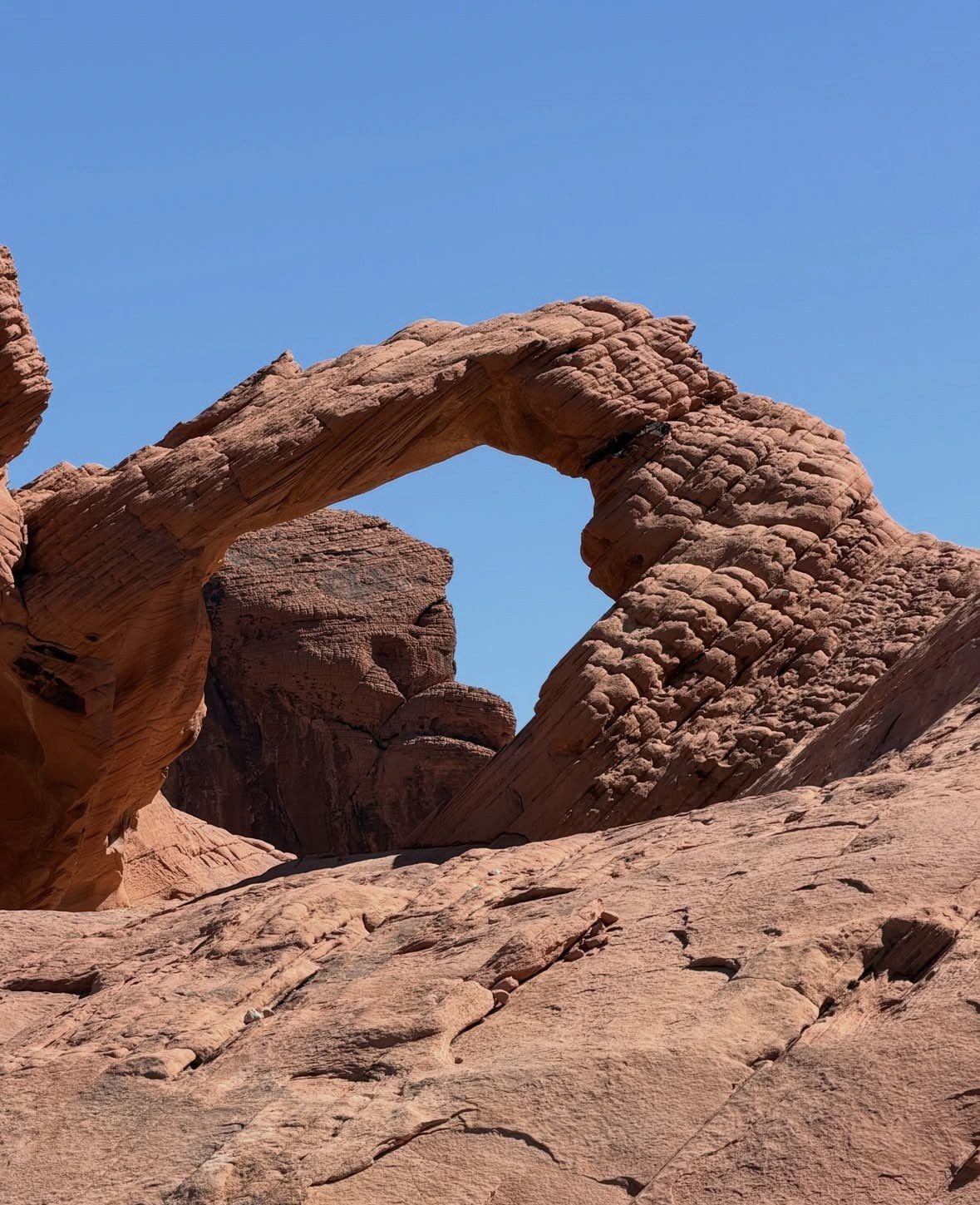
Do not climb on the arches or petroglyph surfaces, Arch Rock and Elephant Rock included
The desert tortoise is protected by Nevada law and must not be touched, moved or handled
Lost City Museum, 721 S Moapa Valley Blvd in Overton, opens Tuesday to Sunday 8.30 a.m. to 4.30 p.m., closed Mondays, admission $8 for adults and seniors
The official 2025 park brochure is published in English, Spanish, Simplified and Traditional Chinese, French, German, Italian and Korean
Paid WiFi is available at the Visitor Center and Atlatl Rock Campground
Heat, hours and staying comfortable
Heat is the main thing to manage. The park states that hydration and electrolyte replacement are critical, warns that high temperatures make hiking unwise above 85 F (29 C), and closes its longer trails from 15 May to 30 September as a heat-safety rule. Summer highs commonly exceed 100 F and can approach 120 F. Distances read short on paper, but official guidance notes that loose sand and rough ground make trails feel longer, with the Fire Wave round trip feeling like a three-mile hike.
Plan around the hours. Day visitors must be out at sunset, trails close from sunset to sunrise outside park-approved events, and anyone inside after hours for an approved event has vehicles removed by 9 p.m. Cell coverage is patchy, so tell someone your plan before you leave Las Vegas. The park's address is 29450 Valley of Fire Rd, Overton, NV 89040, with the park phone 702-397-2088 and the administrative office open Monday to Friday 9 a.m. to 4 p.m., closed on state holidays.
Carry water and electrolytes; the park calls both critical and asks visitors to conserve the limited supply
Hiking is not recommended above 85 F (29 C), and summer highs can approach 120 F
Longer trails close 15 May to 30 September as a heat-safety rule set by the park authority
Day visitors must be out at sunset; trails are closed sunset to sunrise outside park-approved events
Possible cell service is limited to the entrances, Fire Canyon Overlook, lot P3, the White Domes lot and the Atlatl Rock platform
Park contacts: 29450 Valley of Fire Rd, Overton, NV 89040, phone 702-397-2088, office Monday to Friday 9 a.m. to 4 p.m.
Fires only in designated pits and grills at picnic and camping areas, and seasonal fire restrictions may apply
Location
Valley of Fire tour map: finding the park
29450 Valley of Fire Rd, Overton, NV 89040, roughly 55 miles north-east of Las Vegas off Interstate 15 at exit 75.
Plan your visit
Practical information for a Valley of Fire tour
Seasons, entrances, trails, hours and nearby sights, set out page by page so you know what fits the day you have.
The dates, entrances, trail rules and tour formats that actually decide how a day at the park goes, with figures from the park authority.
For most people the small group half day trip from Las Vegas is the sensible default: 6 hours, from $99, rated 5.0 ★ (4125 reviews), with pick-up and drop-off at multiple locations, a professional driver and guide, a deli-style sandwich, snacks and bottled water, and Valley of Fire State Park admission listed among the inclusions. It covers the roadside landmarks along the 7.0 miles of Valley of Fire Road and the White Domes branch without asking much of your legs. If walking is the point rather than the views from a seat, the guided hike runs 5 hours, from $129, rated 5.0 ★ (1696 reviews), with the hike level chosen when you book. Gratuities, travel insurance and meals beyond the listed lunch are not part of the half day price.
No. The park shuts completely for maintenance from 1 December to 14 December every year, and in 2026 that runs Tuesday 1 December to Monday 14 December, with normal operations resuming Tuesday 15 December. Nobody may enter during those two weeks, not even on foot, and there is no parking outside and walking in. All commercial activity is prohibited in that window, guided tours included, and camping reservations are unavailable. Plan the park for 15 December or later if your Las Vegas trip falls in that first fortnight.
Fire Wave is closed every year from 15 May to 30 September, along with the Seven Wonders Loop, Pastel (Pink) Canyon, White Domes Loop, Pinnacles Loop, Prospect Trail, Arrowhead Trail, Natural Arch Trail and Charlie's Spring. Arch Rock itself is excepted from that list. The park authority applies the closure as a heat-safety rule, and every park trail longer than one mile is closed May through September. Mouse's Tank, at 0.75 mile round trip, sits under the one-mile threshold and is not on the closure list, so a summer visit works better built around the scenic drives, Atlatl Rock and Arch Rock.
Nevada State Parks explicitly warns against arriving by ride-share, because return rides are usually unavailable and visitors end up stranded inside the park. There is no bus or shuttle, and the park sits 55 miles north-east of Las Vegas, about an hour's drive, off Interstate 15 at exit 75. Nearest fuel from the Visitor Center is 15 miles in one direction and 18 in another, with a third option 52 miles away, so this is not a place to be without onward transport. The guided trips on this site handle pickup and drop-off, which is the straightforward answer if you are not driving.
It matters through the end of 2026. Since 3 August 2026 the West Entrance, the one reached from Interstate 15, has been closed Monday to Thursday for construction of a new entrance lane and a second fee booth, and it stays open Friday to Sunday in normal hours. Monday-to-Thursday visitors use the East Entrance, reached via State Route 169 or State Route 167, which adds driving time to and from Las Vegas. Worth asking the operator which entrance a midweek departure will use, since the construction is expected to continue through the end of the year.
Aim for spring or autumn, the seasons the park authority names as preferred, and the temperature spread explains why. Winters run from freezing up to about 75 F (24 C), while summer highs commonly exceed 100 F and can approach 120 F. Hiking is not recommended above 85 F (29 C), and the park describes hydration and electrolyte replacement as critical while asking visitors to conserve water, since supply inside the park is limited. October to April gives you the full trail list and daytime temperatures you can actually walk in.
Day use runs sunrise to sunset, and day visitors must be out of the park at sunset. Being inside after hours is allowed only for people attending a park-approved event, with vehicles removed by 9 p.m., and trails are closed from sunset to sunrise outside such events. The sunset departure from Las Vegas covers the last light on the sandstone: 5 hours, from $128, rated 5.0 ★ (287 reviews), with all fees and taxes, water, chips and snacks included. Drones and other remote-controlled aircraft are banned throughout the park, so plan on handheld or tripod work.
Fire Wave is 1.5 miles out and back from parking lot P3, five miles north of the Visitor Center on White Domes Road, also signed as Mouse's Tank Road. The full Seven Wonders loop that links it with Pink/Pastel Canyon measures 1.8 miles, and Pink Canyon can only be reached from lot P3. Park staff put the Fire Wave round trip at about an hour and warn that loose sand and rough ground make it feel like a three-mile hike. The formation is not visible from the road, so the walk is the only way to see it, which is why a guided hike suits anyone whose main target is that stretch of sandstone.
Three. The ATV outing runs 5.5 hours in total, from $199, rated 4.5 ★ (228 reviews), with three hours of quad time, all safety gear, all fees and taxes, hotel pick-up and drop-off, sandwiches, chips and bottled water. The self-drive off-road jeep trip is 5.5 hours, from $448, rated 4.5 ★ (16 reviews), with a rock crawler jeep you drive behind a guide, rugged radios, guide photos and videos at no extra charge and a light picnic lunch, checking in at Las Vegas Rock Crawlers, 3575 W Naples Drive, about a mile west of the Strip, 15 minutes before the scheduled time. For travellers who already have a car, the Lake Mead and Valley of Fire self-guided audio tour runs 2 to 3 hours, from $13, rated 4.3 ★ (7 reviews), with offline GPS audio in a separate app, one purchase per car and lifetime access.
Parking is designated-lot only, with no roadside parking anywhere, and with nearly one million visitors a year the lots at the popular trailheads fill early. Dogs are welcome on a leash no longer than six feet but may not enter the Visitor Center, where only service animals are allowed; that building and its gift shop open daily 9 a.m. to 4 p.m., with hours that may differ on holidays. Climbing on arches and petroglyph surfaces is prohibited, Arch Rock and Elephant Rock included, and general rock climbing is limited to specific areas after asking staff. The desert tortoise is protected by Nevada law and must not be touched, moved or handled, and cell service exists only at the entrances, Fire Canyon Overlook, lot P3, the White Domes lot and the Atlatl Rock platform.
Pick the trip that matches your date and how much walking you want.
The park behind every Valley of Fire tour: Nevada's first, since 1934
Opening day was Easter Sunday 1934, and the legislature granted the legal designation in 1935, with the Civilian Conservation Corps building the first facilities, campgrounds and stone cabins from 1933. It grew from roughly 8,500 acres of federal land transferred to Nevada in the 1920s to more than 40,000 acres.